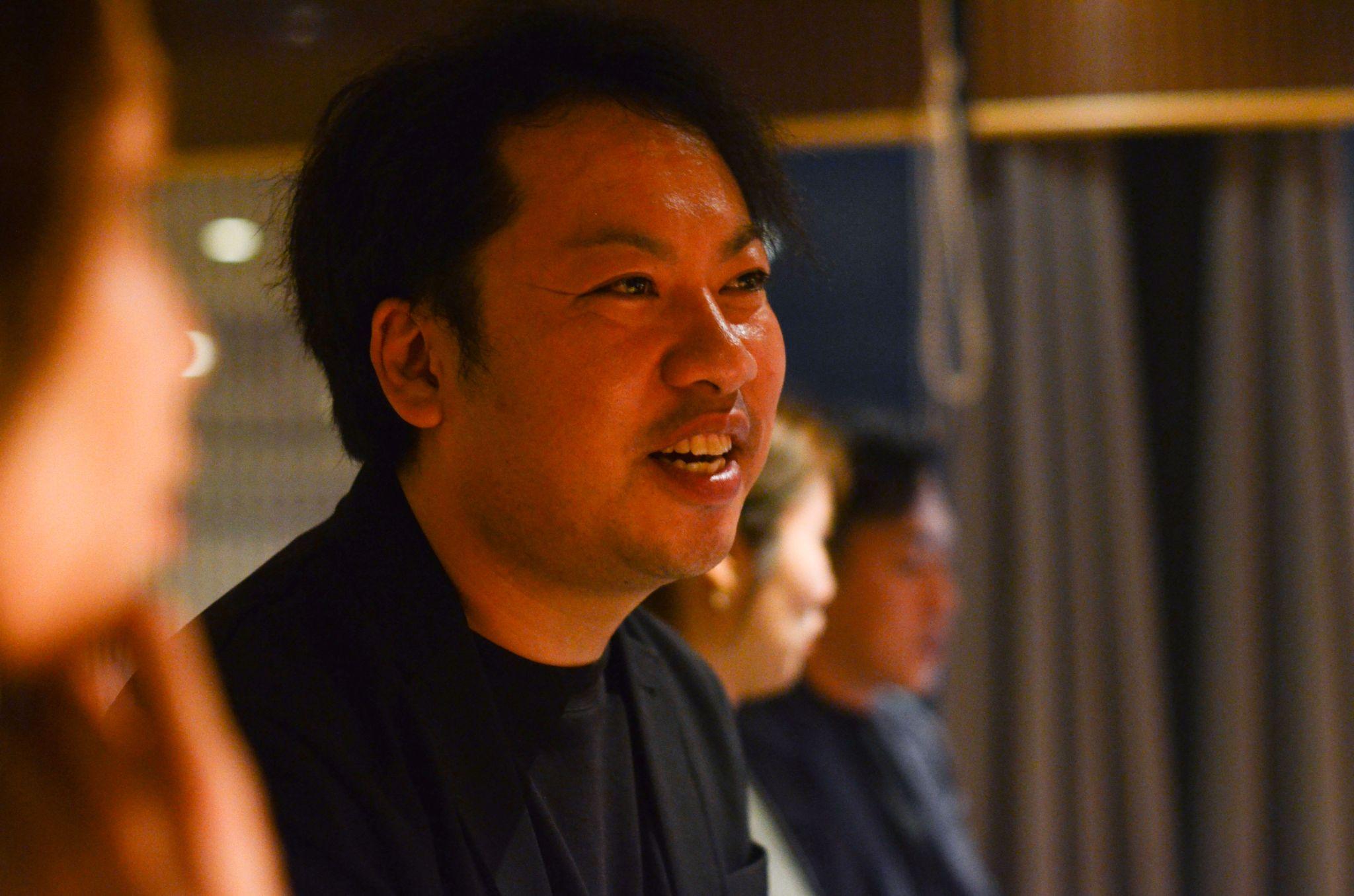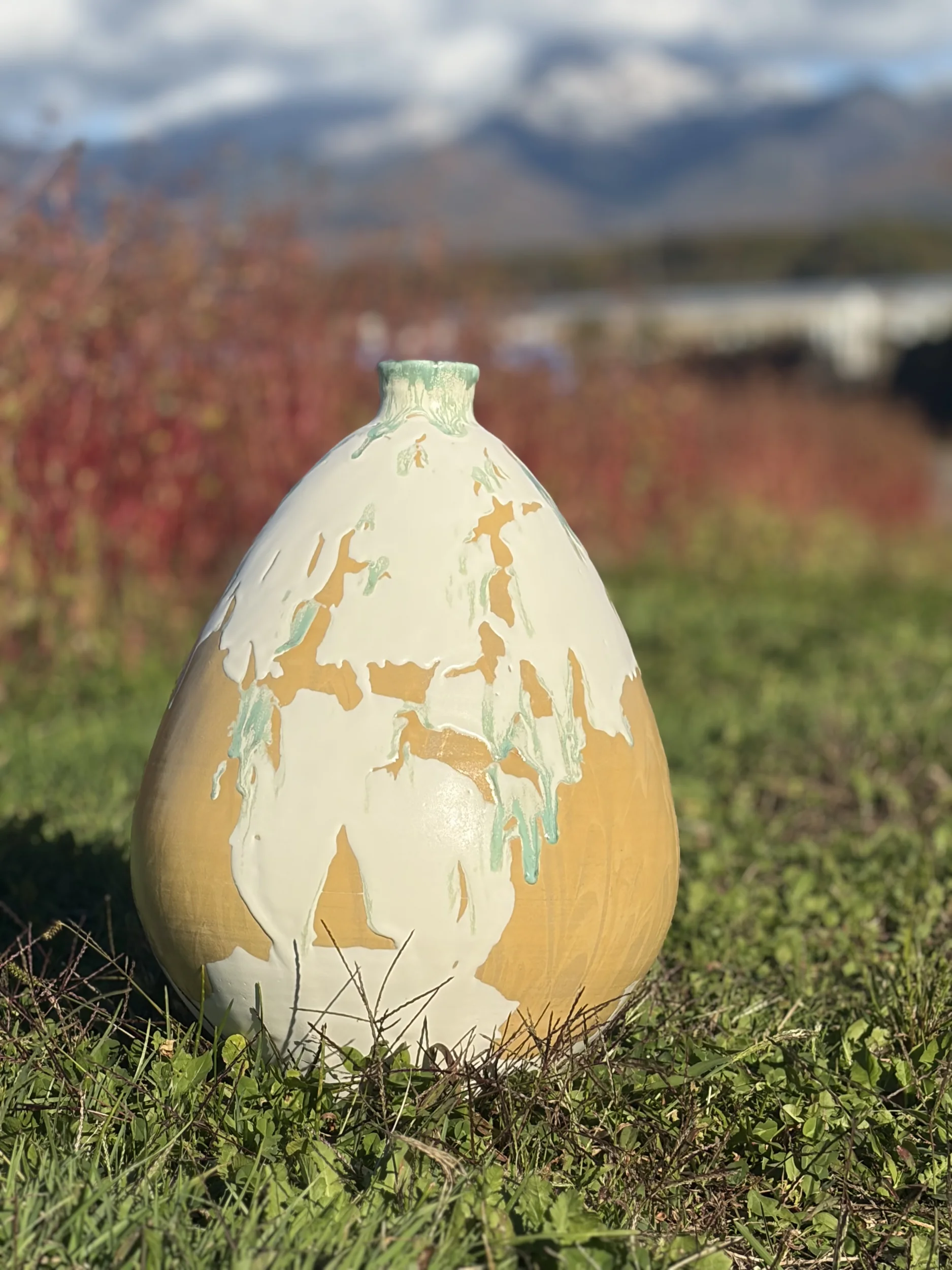
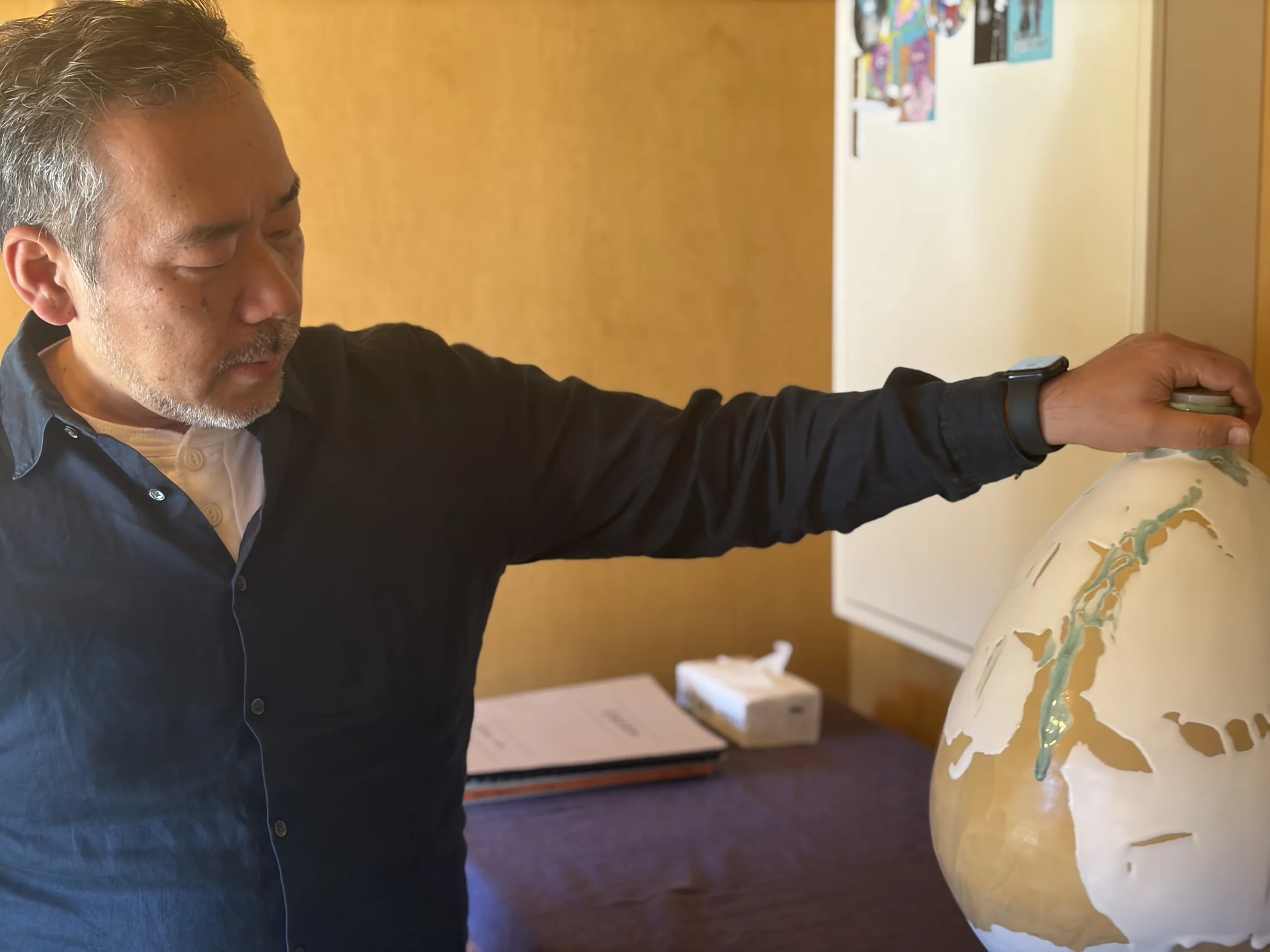
In October 2026, ceramic artist Kasho Morioka drove from Shigaraki to Hara Village in Nagano Prefecture. In his car was a 20-litre amphora he had made himself: an elegant, egg-shaped vessel created especially for KIFUTATO WINES.
The person waiting for it was winemaker and grape grower Kiriko Hitachi. An idea she had discussed in June now stood before her, transformed into a beautifully finished vessel. She was moved by what she saw.
“I made it with Hara Village in mind.”
Kasho Morioka, speaking about the colours of the finished amphora
It was not Morioka’s first journey to Hara. Three months earlier, he had travelled there with prototypes, encountering the landscape that would later inform the vessel.
ENSOU PROJECT is an orange-wine collaboration connecting the clay of Shigaraki with grapes grown in Hara Village.
01 / KIFUTATO WINESA winery named for a family.
At roughly 1,015 metres above sea level, on the western foothills of the Yatsugatake mountains, the vineyards of Hara Village have a distinctive climate. The name KIFUTATO WINES holds a family story.
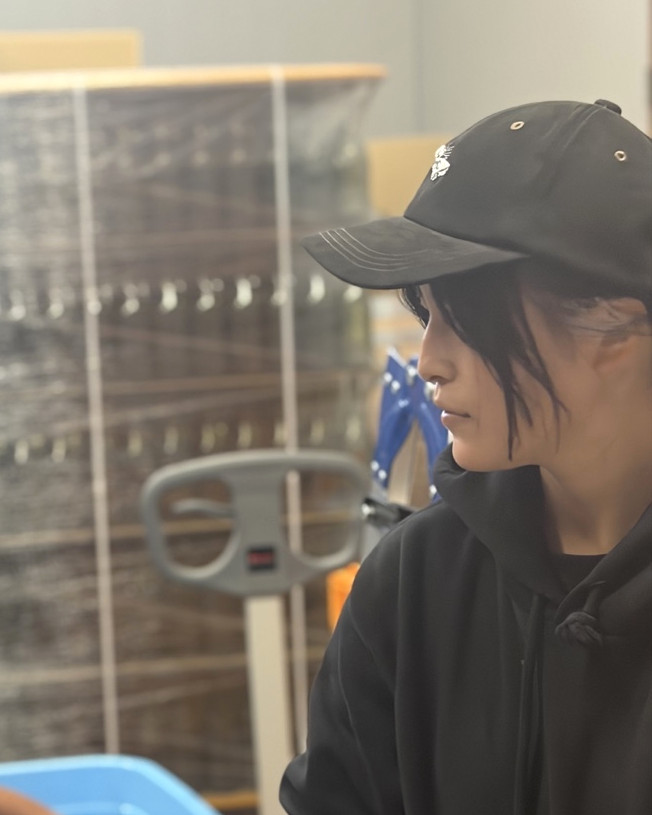
The four syllables come from four names: KI for Kiriko, FU for her twin sister Fuko, TA for their mother Takako, and TO for their father Toshiyuki. The winery carries the family within its name.
The family’s Harayama Farm once grew flowers and spinach. Their father reclaimed land that had long lain unused and began growing wine grapes in 2015.
Kiriko did not always imagine a career in farming. An internship at a winery during university changed her direction: she discovered the excitement of turning grapes into wine. She later trained at wineries in Japan and overseas, and began making wine at the family’s new winery in Hara Village in 2024.
Her twin sister Fuko followed a different creative path. An artist, she has illustrated labels for KIFUTATO WINES, giving visual expression to the character of its wines.
The grower, the winemaker, the artist: their work is distinct, yet the family’s story runs through every bottle.
02 / KASHO KILNA potter raised in his father’s workshop.
Kashogama — Kyoto and ShigarakiKasho Morioka — fourth generation
For Kasho Morioka, too, making things is bound up with the work of an earlier generation.
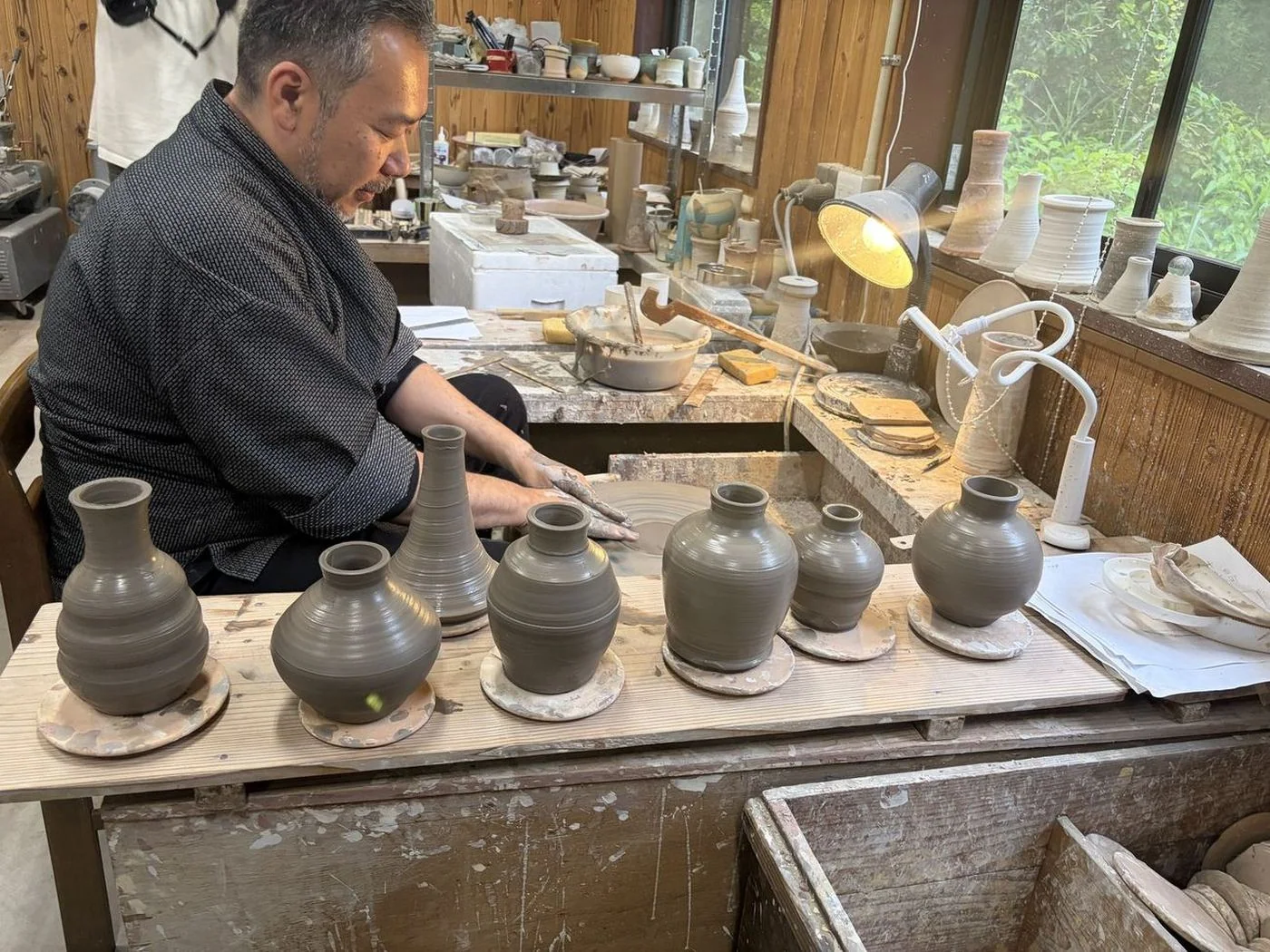
Kasho Kiln was founded in Kyoto’s Gojozaka district in 1914. Morioka is its fourth-generation master. As a child, he played in the workshop of his father, the third-generation Kasho Morioka, growing up among clay and glazes. By the fourth grade he was using the potter’s wheel; later he trained under his father and exhibited alongside him.
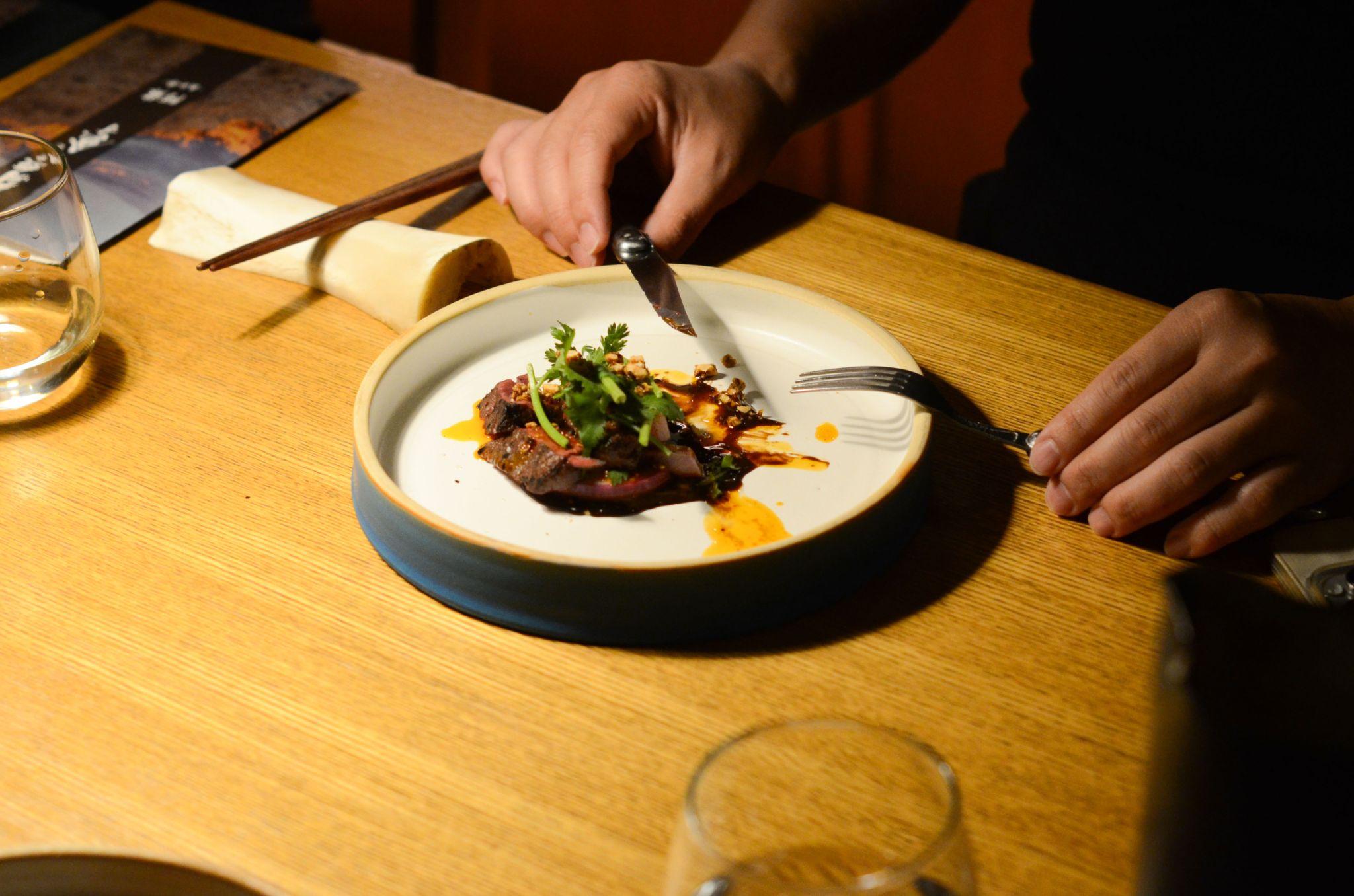
Although the kiln has deep roots in tea ceramics, Morioka’s work has extended well beyond the tearoom. He makes vessels for chefs, hotels and restaurants, considering how food will be presented and how each piece will be used. The life of a vessel after it leaves the kiln matters to its maker.
This time, the vessel would hold wine.
03 / THE JOURNEYTwo journeys from Shigaraki to Hara.
In June 2026, Kiriko Hitachi visited Shigaraki to discuss a new vessel with Morioka. Her request was for an egg-shaped amphora in which to age an orange wine.
Alongside the larger ageing vessel, they considered smaller ceramic bottles for the finished wine. Morioka developed approximately eight prototypes: two different kinds of vessel, with two different roles in the same project.
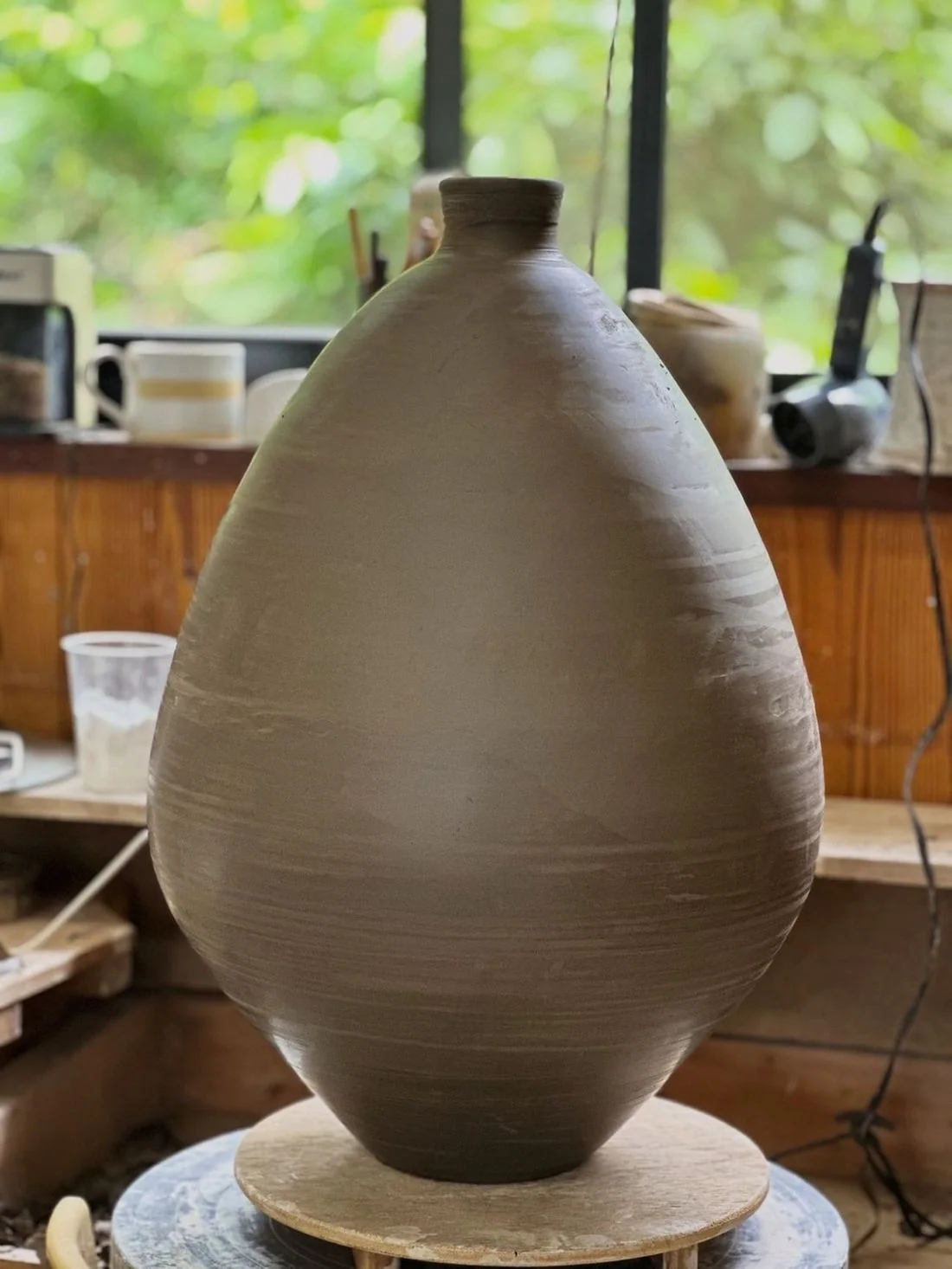
The following July, Morioka drove to KIFUTATO WINES with samples of the ceramic bottles he had fired. More than a delivery, the visit allowed him to see the place where the wine would be made.
Morioka was moved by the beauty of Hara Village. He had travelled to the landscape beyond his own studio and seen the place where Hitachi’s grapes grow.
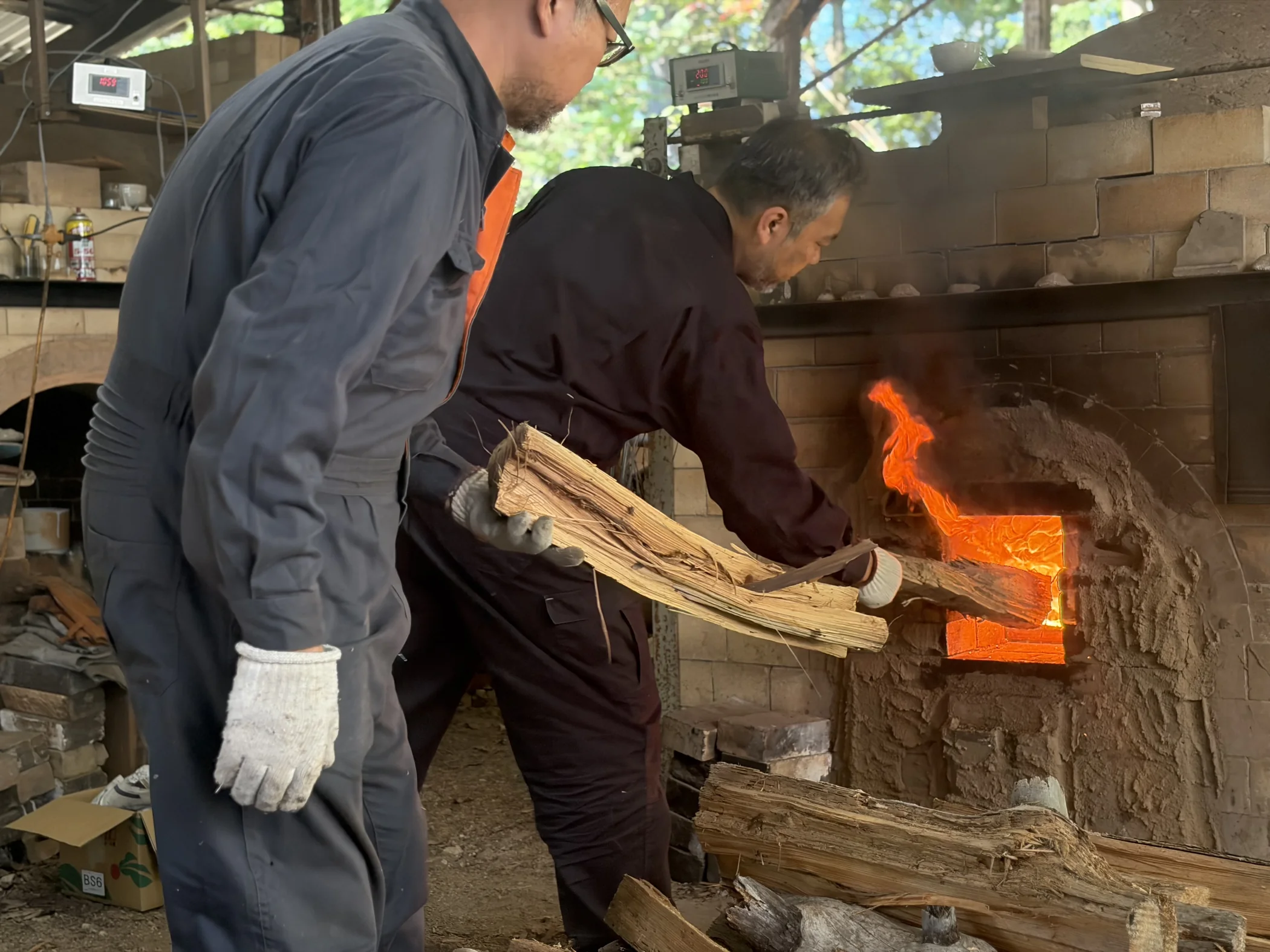
Three months later, in October, he made the journey again, this time carrying the finished 20-litre amphora.
The egg-shaped form imagined in June now had softly flowing colours of white and pale green. “I made it with Hara Village in mind,” Morioka said. The landscape he had discovered in July had found a place in the finished work.
04 / THE GRAPESA difficult, rainy growing season.
Back in Hara Village, Kiriko Hitachi had spent the season tending her vines. At this altitude, conditions change from year to year, calling for observation and careful decisions. Hitachi values knowing each vine and responding to what it needs.
The year 2026 brought frequent rain and a demanding season for grape growing. The fruit destined for ENSOU had been carefully grown by Hitachi herself.
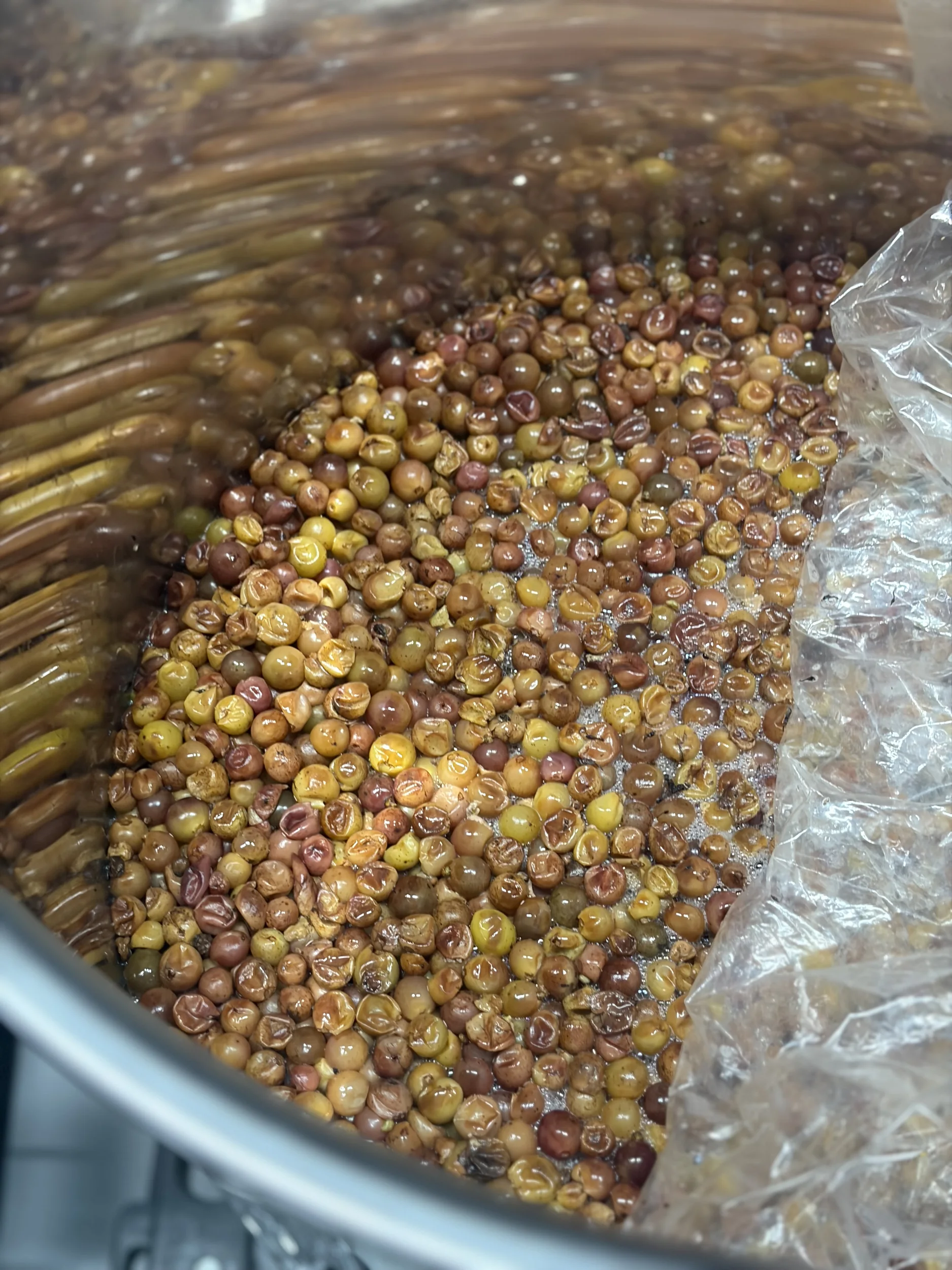
In October, the grapes were brought together for an orange wine: 80% Pinot Gris and 20% Gewürztraminer.
The wine is to mature in the amphora made specifically by Kasho Kiln. What character will emerge from this meeting of Hara’s grapes and Shigaraki’s clay remains to be discovered.
05 / FIRST VINTAGETwo places, one wine.
Kiriko Hitachi began making wine on the farm her family had nurtured. Kasho Morioka continues to create new vessels using skills passed down from his father.
Both makers have inherited something of lasting value. Neither is simply repeating the past: each is looking for a way to express it anew.
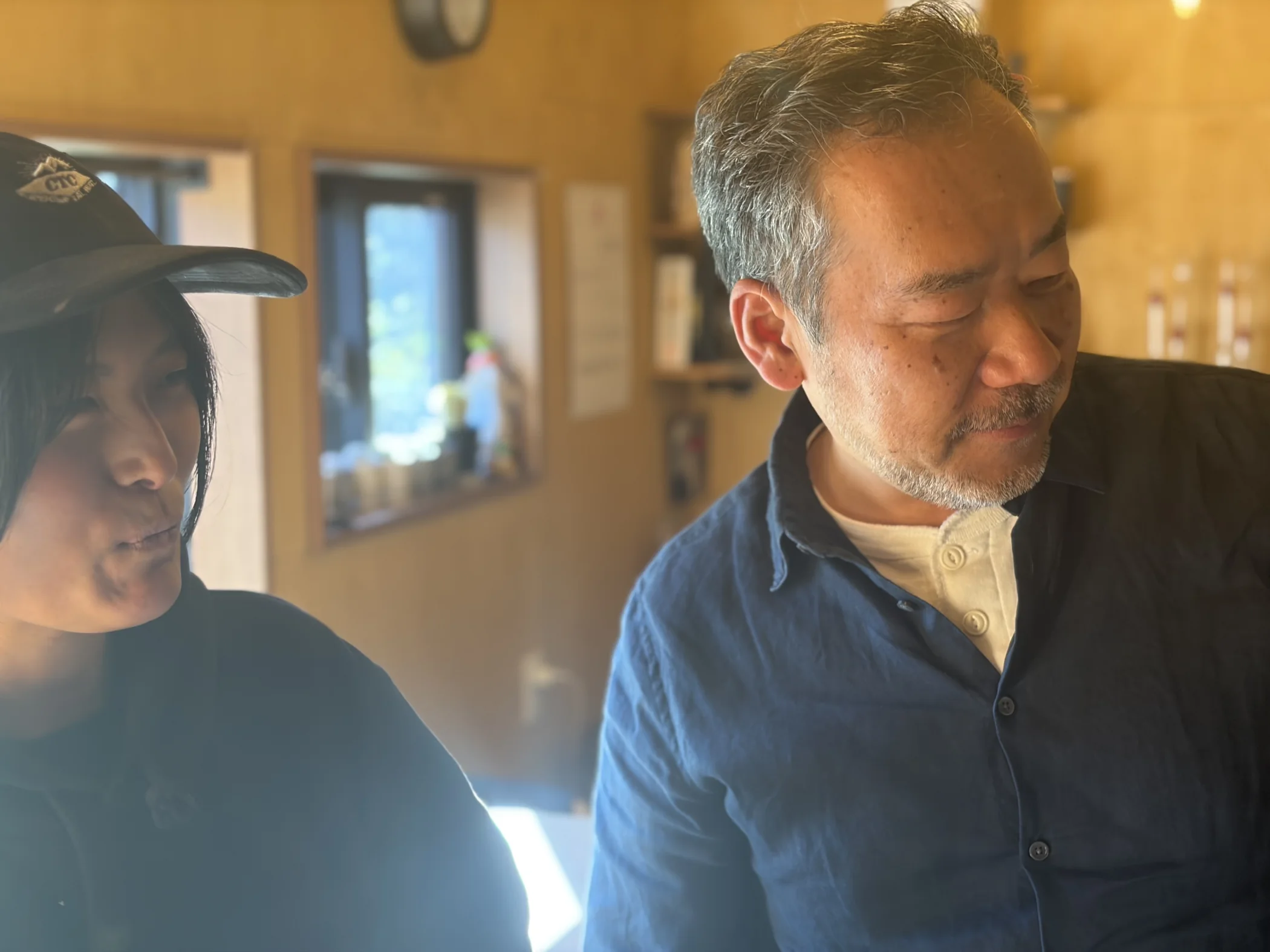
How will the amphora receive the character of the grapes Hitachi tended so carefully? From the June discussions in Shigaraki to the July visit to Hara, and the October arrival of the finished vessel and the year’s harvest, ENSOU PROJECT brings together work done in two different places.
Its first vintage is expected to be ready in winter 2027.
Shigaraki clay, Hara Village grapes.
The first vintage arrives in winter 2027.
Photography / Project archive and supplied images
Concept & Production / ASTER STYLE
Background sources|NAGANO WINE / 嘉祥窯 公式